ALSO MY CAMERA, LIGHTING AND MOTION CAPTURE POST
Some ideas for my venture into photography, not sure where or how to start. There is so much information available, so many fantastic photographers. Where do I start, the camera, the shot, technical information? The story is told through the camera which is used to manipulate the elements, how they appear, setting the mood and effects while letting the viewer know what they need to focus on and controlling how they might feel.
Maybe a theme: getting from A to B such as stuck in traffic, walking, driving, on a train, in transit, it is all so familiar. How do I choose? What do I choose? How do I make a photo, isolate something? What is the photo going to say? What do I want to say? How will the shot be composed? How will I frame it? What will be in the frame ? What is in focus? What is the exposure? Is it day or night? What is the depth of field? Will there be some motion blur? Maybe something abstract like I read in a magazine, hiding around corners, pressed against walls, peering down from bridges now this sounds interesting and exciting.
Go out and have a go.
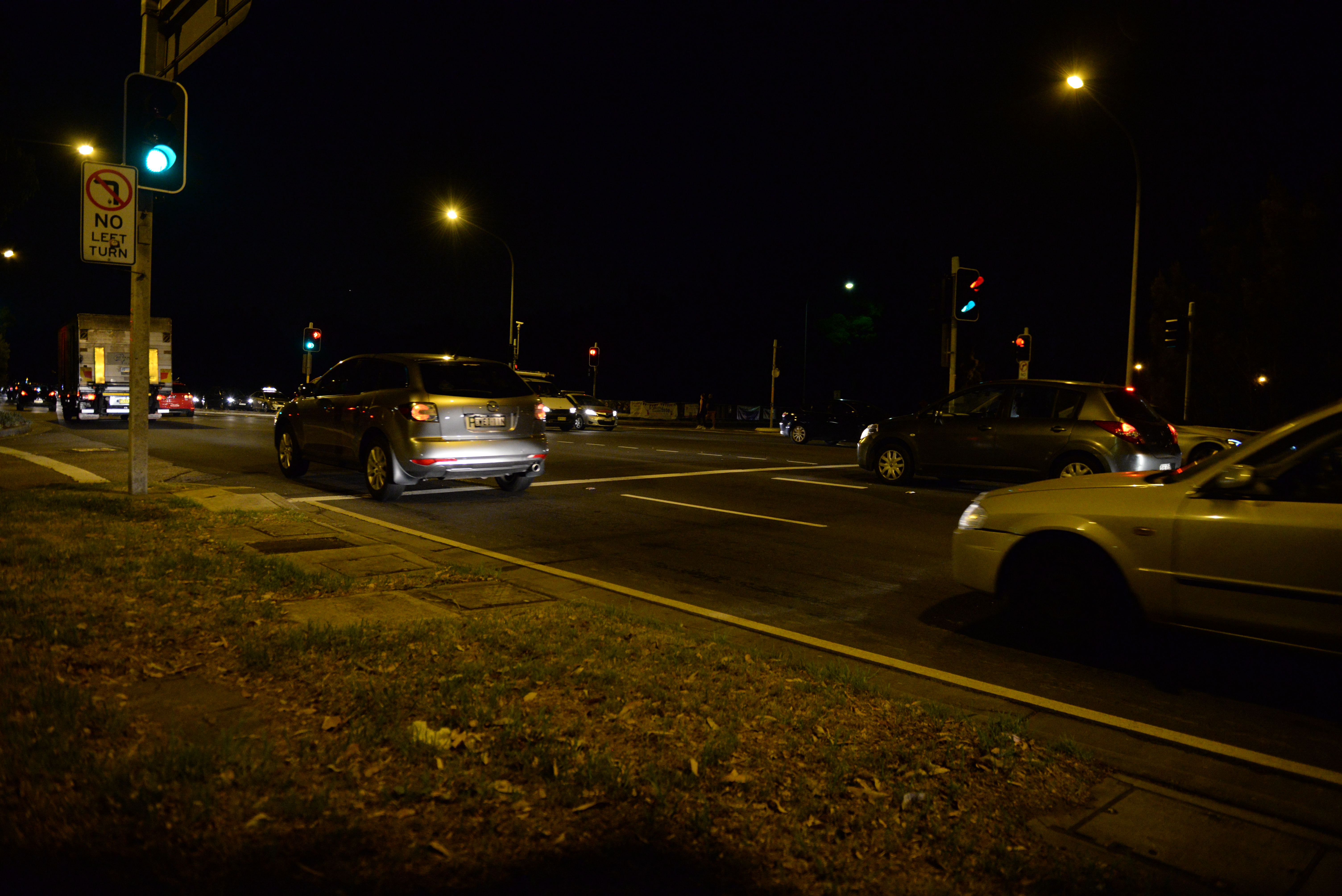
My first experiments:


-

- Exposure Time: 1/200
-

- Exposure Time: 1/160
-

- Exposure Time: 1/100
-

- Exposure Time: 1/60
-

- Exposure Time: 1/40
-
- Exposure Time: 1/20
-

- Exposure Time : 1/8
-

- Exposure Time: 1/4
-

- Exposure Time: 1/2
-

- Exposure Time: 1
SHOOT | MY OWN SHUTTER SPEEDS
-

- Exposure Time: 1
-

- Exposure Time: 1/2
-
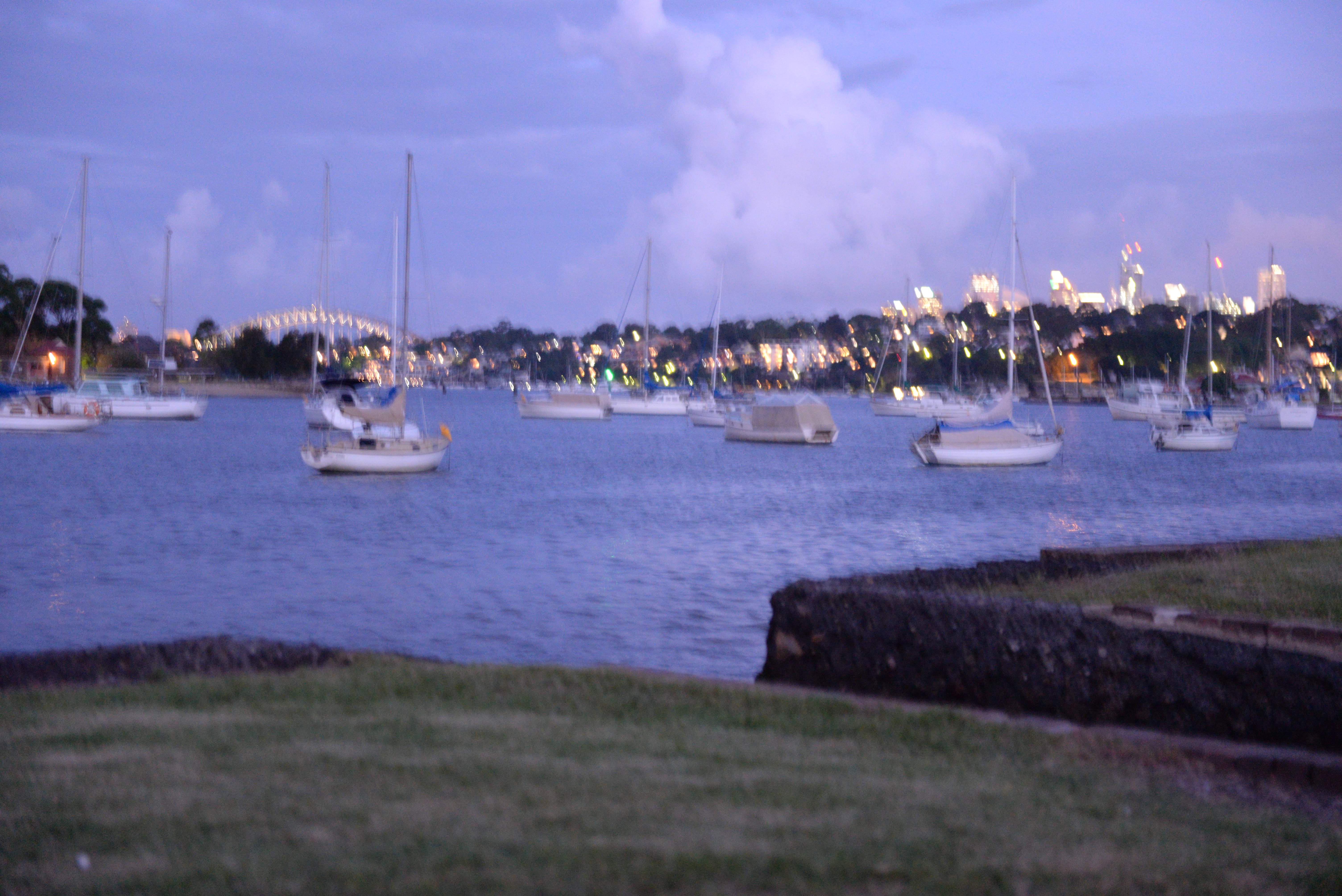
- Exposure Time: 1/4
-
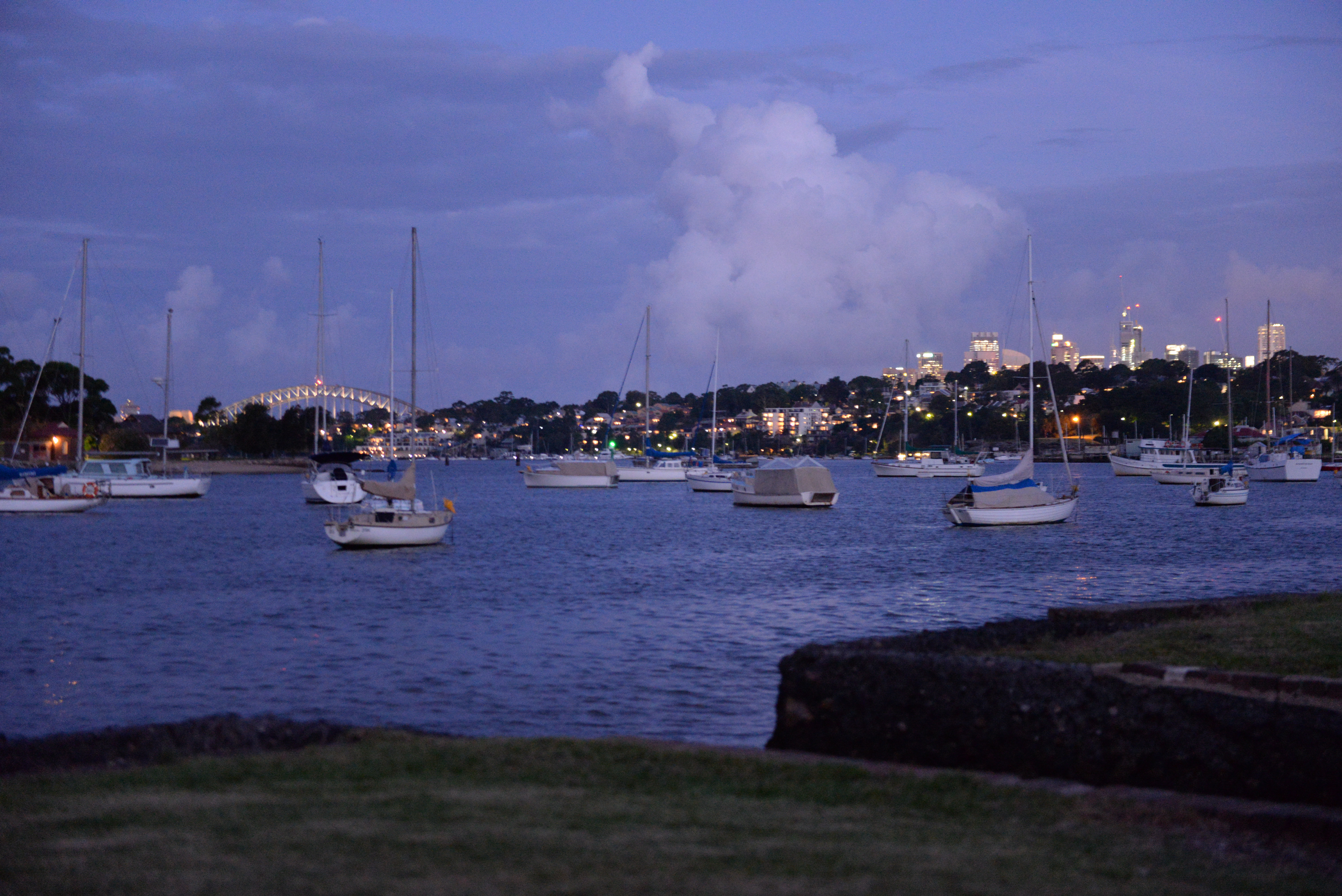
- Exposure Time : 1/8
-

- Exposure Time: 1/20
-

- Exposure Time: 1/40
-

- Exposure Time: 1/60
-

- Exposure Time: 1/100
-
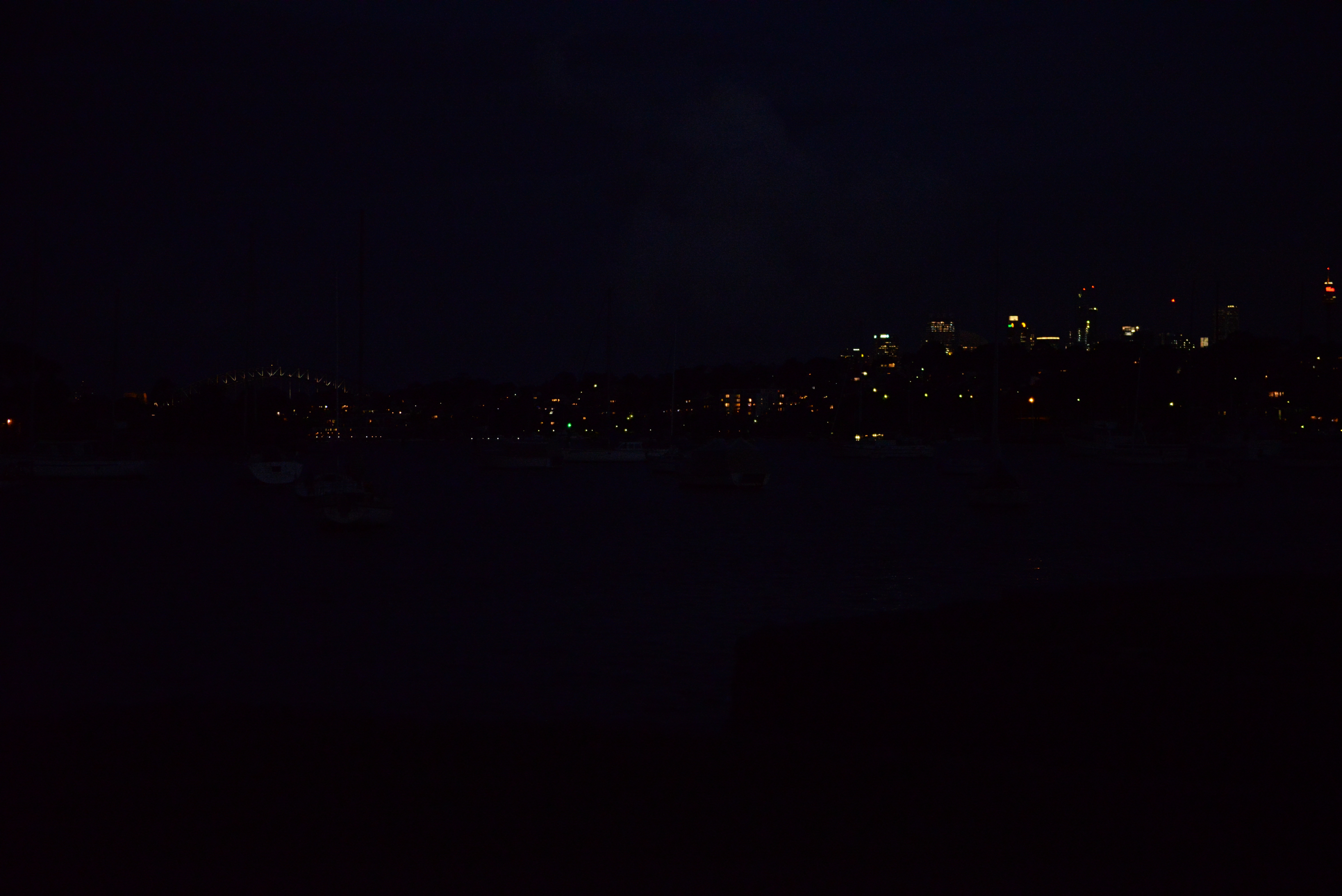
- Exposure Time: 1/160
-
- Exposure Time: 1/200

EXPERIMENTS WITH SHUTTER PRIORITY MODE
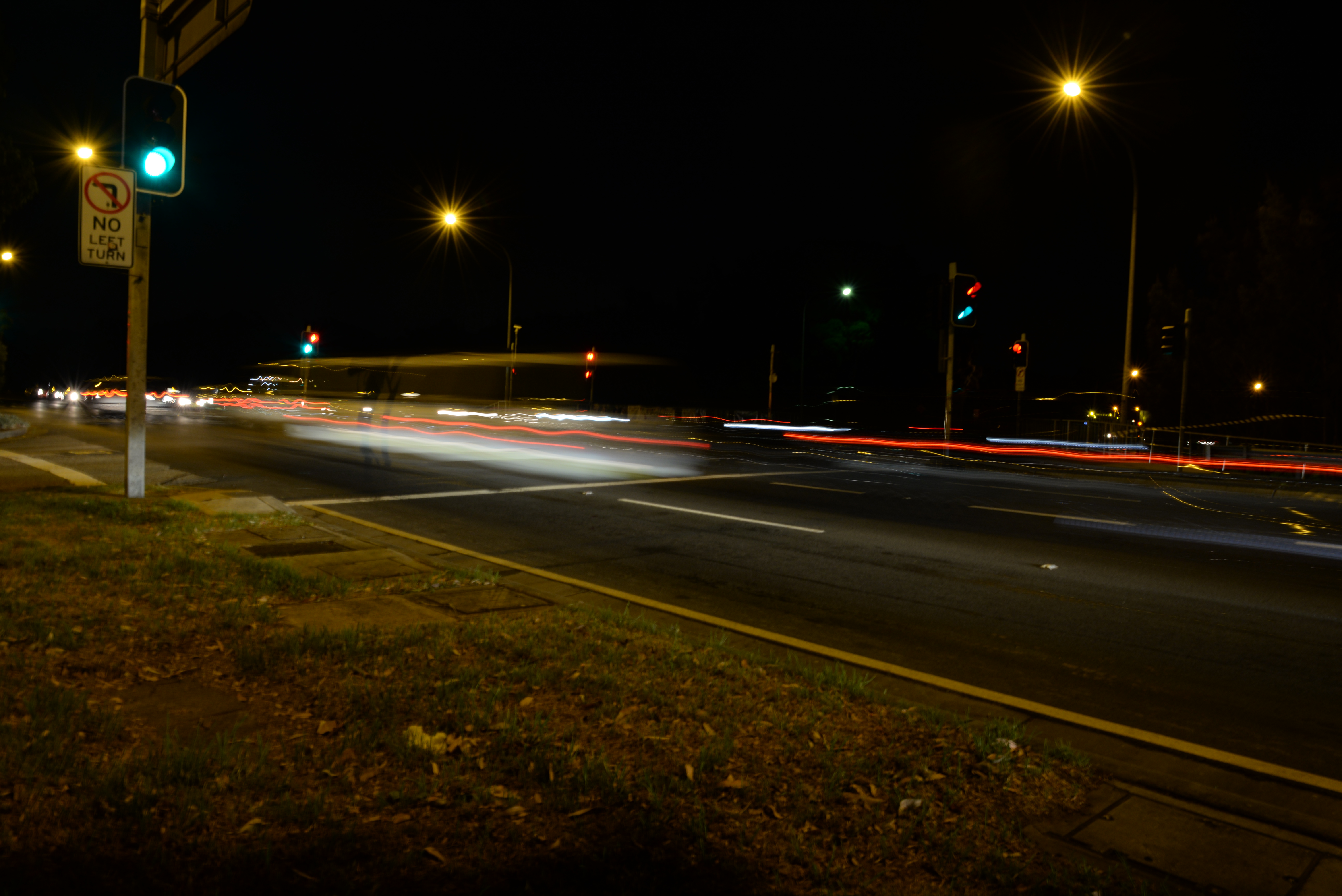

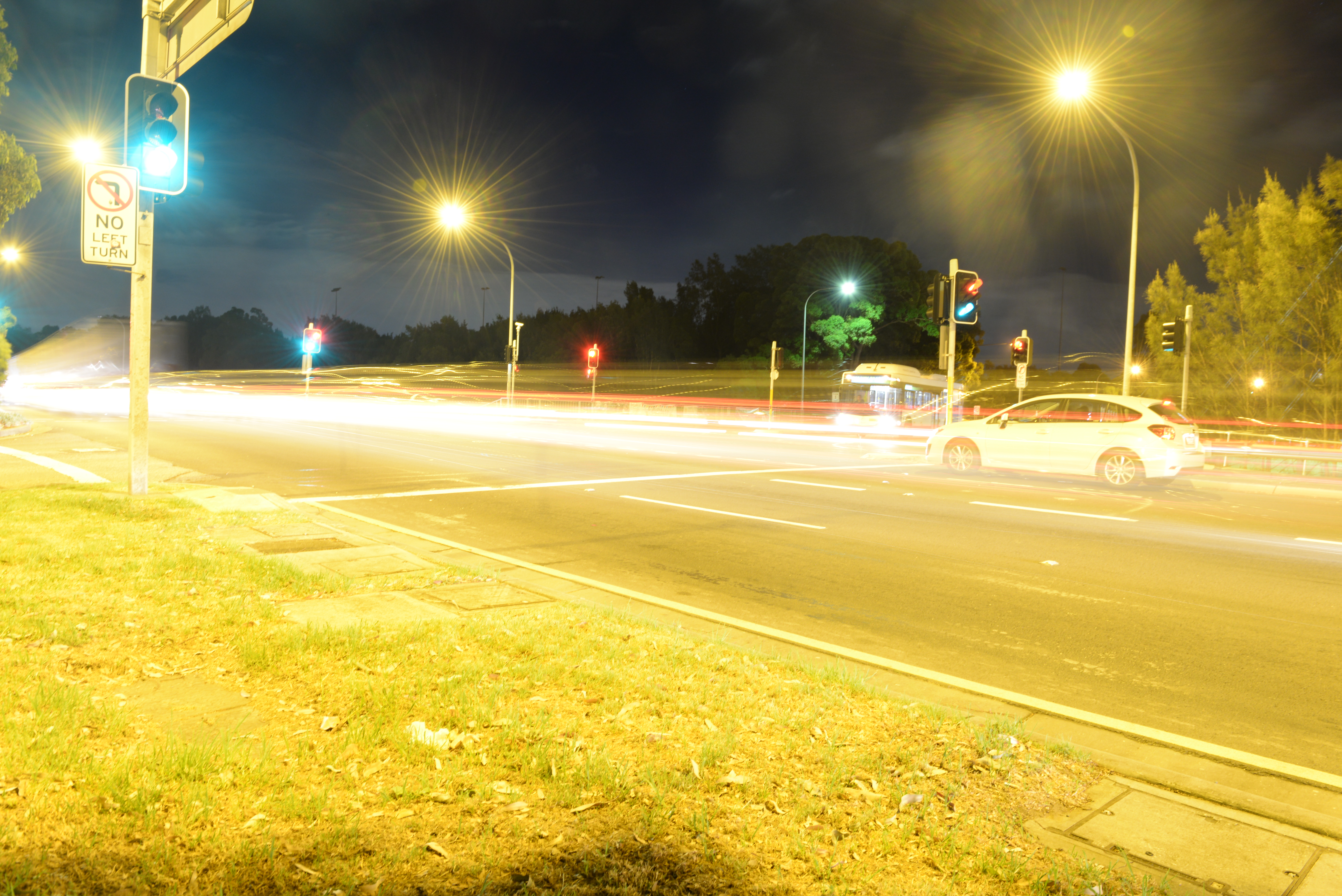
COLLECTION of NOTES and LINKS
What do you love about photography?
What area of interest do you love to photograph?
What ideas do you have for more fun when taking photographs?
What event would you like to photograph?
What is it about photography that is important to you?
What qualities does photography bring out in you?
What does your photography say about you?
What do you want in the world that is significant in your photography?
What does when, why and how say about you and your photographs?
Photographers have this innate talent for bringing shadows to life and telling a whole story in a single frame.
Here is some tips to help you improve your Bio:
Your Bio Length: Aim for 200 words, but it’s also a good idea to have a 100-word version.
Bios must be written in third person. Your biography is a summary of your resume, written in narrative form. It is a short paragraph that describes your experience and career. Many artists get confused about the difference between an artist bio and an artist statement, but there is a simple distinction: the artist statement is about your work, and the artist bio is about you.
Tell a story. Take the information you gathered in your CV and then shortened into your resume. Now, build it out into sentences that thread together to tell a story. If there is something unique about your practice, your bio is the place to emphasize this. Your CV has all the nitty, gritty detail, but your bio can be directive in terms of the specific achievements and experiences you would like to draw attention to.
HEAD ON Photo Festival Tips
Three tips to prepare your submission:
1. Get to know the festival and what we want
Read about the festival first! Find out what we’re about and how the festival runs. We use a blind selection process and are generally looking for well-executed work with a unique voice in any genre of photography.
2. Let your work do the talking
During the selection process, we look at three things; your images, the exhibition description and how they work together as a cohesive body of work on a single theme.
Note: group shows and retrospectives do not need to have an overarching theme.
We understand that words may not come to you naturally, but it is important that you can provide us with the context required to grasp your work. The description and imagery must reflect each other, i.e. do your images communicate what you are saying in words?
Spend a bit of extra time fine-tuning your exhibition description. Keep it clear and concise, do not describe what is already in the pictures and avoid too much ‘art-speak’.
3. Are you the best curator for your own work?
Your photographs are the most important part of your submission. Your work may highlight a very important social cause but if your images or selection of images are not up to snuff you won’t get in.
When you are choosing what work to submit run the images past people who approach photomedia with different perspectives – is the theme interesting? Do the images and words work together?
TAKING BETTER HOLIDAY SHOTS
- use gridlines to balance the shot | turn on the camera’s gridlines, the rule of thirds which is a photographic composition principle that breaks the image into thirds both horizontally and vertically with nine parts in total.
- focus the subject | include one interesting subject, consider not filling the frame with the subject leaving two-thirds of the photo as negative space helping the subject stand out. Tap the screen of the smart phone to focus on the subject and the lighting is optimised.
- embrace negative space | refers to the areas around and between the subject of an image possibly having the subject stand out more and evoke a stronger reaction from the viewer. It could be large expanse of open sky, water, empty field or a large wall.
- find different perspectives | from a unique, unexpected angle, creating the illusion of depth or height with the subjects. Not straight-on or from a bird’s eye view, consider directly upwards using the sky as negative space or slightly downward angle. Can make an image stand out.
- play with reflections | such as the sky reflected in a body of water, our eyes are drawn to reflections. Puddles, larger bodies of water, mirrors, sunglasses, drinking glasses, metallic surfaces etc.
- use leading lines | lines that draw the viewer’s eye towards a certain part of the frame. They can be straight or circular, think staircases, building facades, train tracks, roads, a path through the woods. Great for creating a sense of depth in an image and can make a photo look purposefully designed.
AINT – BAD
THE APERTURE CLUB
AUSTRALIAN PHOTOGRAPHY AWARDS
Bēhance – Photography
BRITISH WILDLIFE PHOTOGRAPHY
CPOY
DEAD PIXELS SOCIETY
Digital Camera World
Digital Photography School
DIGITAL PORTRAITURE AWARD National Portrait Gallery
Discount Digital Photographs
THE EPSON INTERNATIONAL PANO AWARDS
FLICKR
FOCAL LENGTH
GREENWAY ART PRIZE
HEAD ON
INTERNATIONAL LANDSCAPE PHOTOGRAPHER OF THE YEAR
LENS CULTURE
LIFE FARMER
LIFE MAGAZINE
MAGNUM
MAGNUM YOUTUBE CHANNEL
NATIONAL GEOGRAPHIC
NIKON ONLINE SCHOOL
PICTURES of the YEAR INTERNATIONAL
PHOTO COMPETITION Friends of Mason Park Wetlands
PHOTO NET
PHOTOGRAPHIC LIFE
RYDE EASTWARD LEAGUES CAMERA CLUB
SONY FILM FESTIVAL
TED’S PHOTOGRAPHICS
WALKLEY AWARDS for EXCELLENCE in PHOTOGRAPHY
WANDERING DP
WE ARE OBSERVERS
WORLD PRESS PHOTO
NIKON
Nikon Electronic Format (NEF)
Ten Tips and Tricks for the Nikon D610/D600
What are the differences between: RAW, NEF, Compressed-NEF, TIFF, and JPG file formats?
TECHNICAL MYSTERIES
COLOUR IMAGES
CYLINDRICAL PANORAMAS
DEPTH of FIELD
Editing RAW and ProRAW Photos Using RAW Power 3
EXPOSURE TRIANGLE
FILM v DIGITAL
FOCAL LENGTH
INFRARED CINEMATOGRAPHY
HDRI IMAGES
LENS
3D LENS FOR DSLR CAMERA and SMARTPHONES
What mm lens was used in this shot? Directed by Sergio Leone
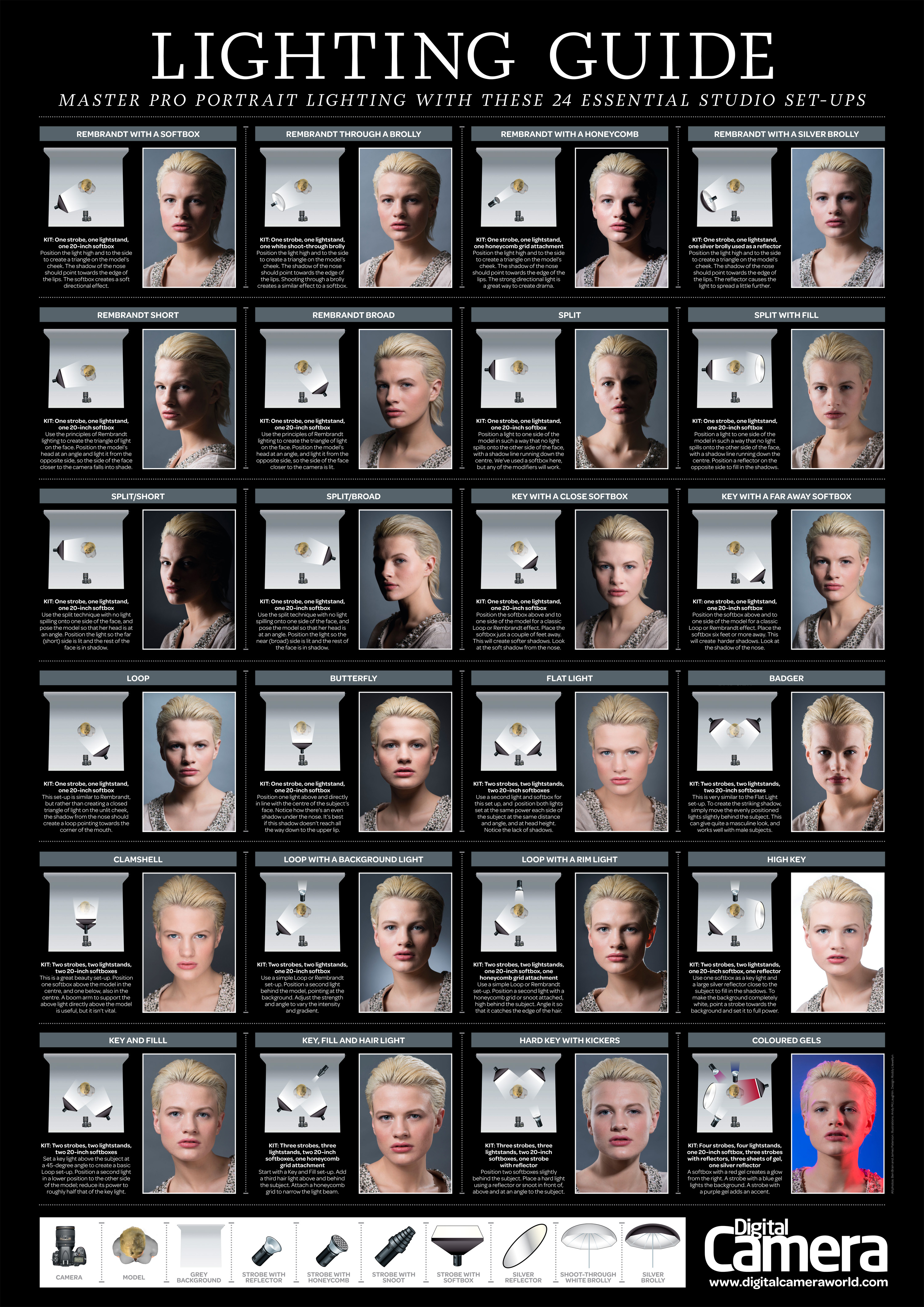
LIGHTING
MEGAPIXELS
RAW vs JPEG
SENSOR
SHUTTER SPEED
WHITE BALANCE
white balance setting of your digital camera.
White Balance Explained for Beginner Photographers
How To Get The Perfect White Balance Every Time
ZOOM BROWSER
OPTICAL ZOOM will zoom the picture that hits the CCD chip
DIGITAL ZOOM reduces the resolution of the picture by blowing up the picture that has already been captured.
GENERAL INFORMATION & LINKS
5 types of photography to master
A 5-point checklist for capturing the best landscape image possible
6 Tips for Creating More Captivating Landscape Photographs
TOP 6 PHOTO EDITING APPS
6 Portrait Lighting Patterns Every Photographer Should Know
7 tips for ethical travel photography
10 quick landscape photography tips
TOP 10 VIDEO CAMERAS OF 2022
Top 10 Tips for Portrait Photography
TIPS TO GET THE BEST SHOTS OF THE MOON
10 Photography Tips for World Photography Day
18 BEST AUSTRALIAN PHOTOS
The 30 Most Amazing Photos Of Frozen Things You’ll Ever See
Apexel 5 in 1 HD Camera Lens Kit
Artsy.net: Andreas Gursky
Australian Video Camera
Big Sky: Portraits from the Outback
THE BEST LENS to USE is the ONE THAT is WITH YOU
BERKELEY ADVANCED MEDIA INSTITUTE
Blue Hour Site: how to take blue hour photos
Capture the inner beauty of your furry friends
Creative Live
Crafting narratives with street photography
CAPTURED ON GLASS
CHECK YOUR SELFIE BEFORE YOU WRECK YOUR SELFIE
COVID-19 Resources for Photographers
DOCUMENTING THE WORLD IN ONE DAY
Digital Photo Secrets: photos too blue, white balance might be to blame
The EOSHD 5D Mark III Raw Shooter’s Guide
For Birds’ Sake
FOTOGRAOIA
THE FOX DARKROOM
Gigantes
GUIDE (Simplified): RAW on 5D
Highlighting Women in Photojournalism
How to Turn your iPhone into a Professional Video Camera in One Easy Step
“How To Take High-Quality iPhone Photos So You Can Finally Leave Your Big Camera At Home” Emil Pakarklis
Hands on with the Hydrogen One – RED’s gamble for mobile filmmakers
HOW TO RETOUCH A PHOTO FOR YOUR WEBSITE PROJECT
HOW TO USE DIGITAL ART TO ENHANCE YOUR PHOTOGRAPHY
Landscape Photography Tips: Take Your Nature Photography to the Next Level!
The Lady in Green – Visions of the Arctic Night
Macro Photography for Beginners
MINIMALISM AND MILAD SAFABAKHSH
MOBILE VIDEOGRAPHY KIT: THE BEST GEAR FOR SMARTPHONE VIDEO CREATORS
Mountain Thaw Creates A River Of Ice
Photographers Take Pics Of People From Different Perspectives To Show How Easy It Is To Manipulate Photos
Started in Macro Photography
SMARTPHONE and happy snapping
SAM CAHILL, #ADOBECREATIVESIDE INFLUENCER
 3d art and animation